|
| Wedding Tent - Abu Dhabi |
I stepped out of the yellow Al Ghazal taxi at the large, ultra white
Wedding Tent on Airport Road in Abu Dhabi on an exceedingly hot and humid April
evening at about 9:30 pm. It felt so strange to be all dressed up on a Monday night to attend a wedding reception without
my husband as my escort.
But, because weddings
are segregated affairs in the United Arab Emirates, he wouldn’t have been able
to accompany me anyway. Haifa, one of my
ESL students, had invited me to her cousin Nourah’s wedding party.
I’m dressed in a long evening gown along with about 400 Emirati
women also elegantly dressed like they are going to the Met Gala in New York City!
Thursday night is the preferred time to have your wedding in the Middle East because
it is the eve of the Friday sermon at the mosque. The Wedding Tent must have been booked for
Thursday, because here we are attending on a Monday night.
 |
| Entrance to Wedding Tent, Abu Dhabi |
Large gold earrings adorned my ears and heavy
gold bracelets on my wrist.

I walked in
a pair of ultra glamorous, bronze four-inch heels.
An ivory beaded bag with a gold chain completed my outfit.
My short hair was brushed off my face and my
makeup was perfect. I was ready for the
wedding extravaganza!
 |
| Wedding Tent, Abu Dhabi |
As I exited the taxi, I could hear the party was in
full swing. The Wedding Tent was
practically bursting at the seams with loud, pulsating music and clapping. I heard laughter and joyful sounds coming
from the women as I walked through the door.
About 400 friends and family members, all female, of the bride and groom
were already at the event and having a great time! The all white Wedding Tent was a permanent
structure which looked like several enormous circus tents complete with pointed
tops, ropes and poles. This is a typical wedding venue all over the Middle East.
The men and women were separated, of course. The men were on one side of the wedding tent and the women on the other.
Several fragrances
delighted my sense of smell. The aromas
of exotic oils, perfumes, incense and delicious food floated through the
air.

What an incredible sensory barrage! Sights, sounds, and smells like nothing I
have ever experienced. The women looked amazing!
Incredibly beautiful floor length gowns and more
gold jewelry than the Gold Souk!
All makeup looked as though it had been done
professionally and everyone had their hair lavishly done up or elegantly cascading
down their shoulders and backs.
What a
spectacle it was! I felt like I had
walked into the Arabian Nights.
Never had I seen such beaded, sequined, colorful floor
length gowns with pearls, fringe, strapless, low backs, terrific cleavage
producing dresses, incredible shoes, handbags to die for and hair
accessories… Fabrics ranged from silk to
satin and everything in between.

But,
the jewelry – Saudi Gaudi...
This is a
term I created to describe the over-the-top jewelry the women bought and wore
on special occasions. Intricate dangling
earrings, exquisitely large gold and precious gem necklaces, diamond bracelets
and more rings than I’ve ever seen.


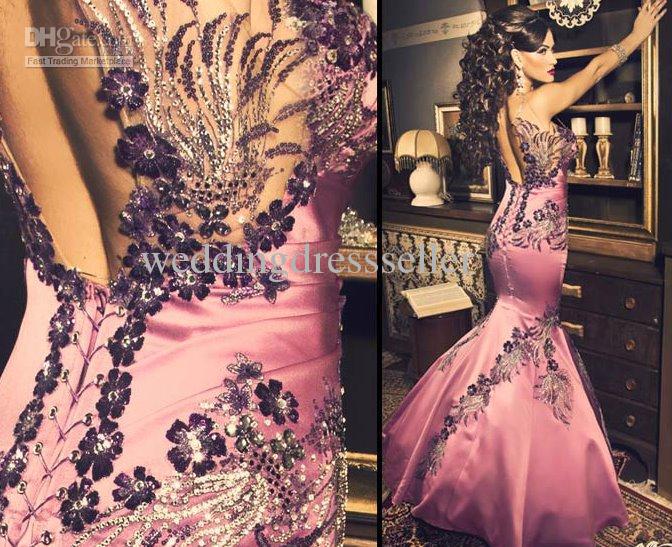
Normally, you would never see any of this jewelry displayed
in public because women must wear their black, floor length abayas to cover
their bodies head-to-toe and sheylas to cover their hair. They are also partially or totally veiled while in public,
therefore their beautifully made-up faces don’t show. So, no jewelry is ever displayed, except for
a wristwatch. Also, wedding bands are generally
not worn.

Back to the wedding party!
What fun these ladies were having!
They were all talking at once, laughing, and just having a great time
visiting with each other.
Haifa
introduced me to her family and friends where I was warmly greeted and given
kisses on both of my cheeks.
We
communicated even though many of them did not speak English. I spoke a few phrases in Arabic expressing my
joy at being at the wedding. Lots of
smiles and nodding all around as I complimented several women on their evening
gowns and jewelry.
But, words were not even necessary to show my admiration. A genuine smile is the 'Universal Language'.
Dinner was served around 10:30 pm. What a feast!
We sat at large round tables with seating for 10 ladies. At the beginning of the banquet, the female
wait staff brought out a sampling of various olives, pickles, a platter of
unsliced tomatoes, lemon and cucumbers, along with the hummus and flat
bread. I could have made a meal of that, but I did enjoy the meat and
vegetable dishes.
 |
| Interior of Wedding Tent |
The waiters then served a dinner of various dishes, large
trays of meat and vegetables, in communal bowls. Food was placed in the center of the table
and everyone began eating.
No utensils
were used! Yes, I said that there were
no utensils. I asked for a knife and
fork from the servers which is quite acceptable for a Westerner. My utensils were quickly handed to me.
All of the Emirati ladies ate with her right hand using the flat Arabic bread
as a scoop or utensil and no one made a mess of anything. They have had lots of practice and not one morsel was dropped on their dresses. We had hummus,
tabouleh, mixed grills, vegetable dishes, lamb, chicken, beef, flat bread,
potatoes, and more. So incredibly delicious!
 |
| The Wedding Singer |
The Wedding Singer
During our meal, an extraordinarily sexy,
voluptuous, exotic Lebanese woman sang and danced on the catwalk of the bridal dais. Then she gyrated her way around all of the dinner
tables throughout the room. Her outfit
was right out of a Las Vegas revue.
She
wore a tightly fitted black and gold sequined floor length dress which was cut very low across
the bodice with more fringe and beads than I’ve ever seen. Her long skirt was slit up both sides showing
great legs and 5-inch spiked heels.
Don’t know how she danced and moved in those heels, but she did a great
job!
What a voice! She
sang with an Arabic sound track and she just made you want to get up and dance! Actually, several women in the room did get
up to dance. They danced with each other or by themselves while singing along with the
music they knew so well. Sound familiar?
The Lebanese singer could really strut her stuff, as well as
sing! She whipped her hips around and
the fringe went flying. She strutted in her heels. She flipped her long mane of ebony hair from side to side. She moved like a belly dancer or a
stripper. I only wish I could move like
that and had the body to go along with it!
As the evening went on, I witnessed something very weird and
wonderful, something I had never seen or heard before. There were some extremely old matriarchs dressed
in the traditional Middle Eastern black abayas who had an unusual throaty,
guttural sound that they sang out. These
wise, weathered women closed their eyes, opened their mouths and animal-like
sounds came out. Sort of like a
‘warbling’ sound, but very tribal and earthy.

These women were almost scary in their concentration as they swayed, danced and warbled. One woman would whoop and then across the
room another of the female matriarchs would answer with her distinct,
expressive sound.
It was incredibly
rhythmic, utterly emotional and quite sensual. The sounds came from deep within their souls. I felt it penetrate my body, go through me, and straight to my soul too.
I wondered what the chanting meant and why they did it. A rite of passage, perhaps. A welcome to the virgin bride’s wedding night, to womanhood
and to the life of matrimony.
I had made
some of the same sounds during childbirth, but I wasn’t having nearly as much
fun as these women.
As we were eating, whispers raced through the crowd. All of the sudden, there was a sound like a
flock of birds flapping their wings and taking flight. Whirring, swishing noises, the sound of material swirling,
then the room went silent. No more
singing and no more talking.
There was a
sea of black everywhere I looked as the Emirati women quickly put on their abayas,
sheylas and veils over their fancy evening dresses covering their bodies, hair
and faces. What was happening?
Then more whispers throughout the wedding tent letting us know
that the groom would soon be entering with his father and brothers to have
photographs taken with the bride on the large dais in the middle of the
room. This was an unusual occurrence because ALL wedding celebrations are segregated and wedding photos are rare.
Men are never allowed in the women’s side of the reception.
Eventually, the groom, his brothers and father walked in wearing the
men’s national dress in the Gulf region which is the pure white, pristinely
ironed, floor length Dishdasha or Khandoura with their Ghutras covering their
heads. The Ghutra is a white head cloth
with a twisted black, rope like coil wrapped around it. Under the headdress is a skull cap call a
Gafia. Handsome and elegant!


The men looked straight ahead. No eye contact was made. The room was stone silent. Everyone stopped eating to watch the
procession. The groom entered the hall
first, followed by his father and brothers.
They walked straight to the bridal dais which looked like a Paris fashion
runway but in a T-shape and made of Plexiglas.
It was about three feet off the floor with steps up each side.

The men walked up on the dais posing for
photographs with the bride who was seated on a curved lounge or fainting sofa
in the center of the dais.
There were
flowers and greenery on the pergola above with lovely blossoms hanging
down.


Hundreds of flashes went off for about 10 minutes as
everyone recorded the moment when the groom saw his bride in her exquisite
wedding gown. Photos were taken again
and again.
This is out of the norm also,
because photos of people are rarely taken.
After the photo opportunity, the men left the tent and the singing and
dancing started up again.
Dancing, singing, whooping…
The noise level was deafening. Everyone
at the party went up the dais stairs to congratulate, kiss and hug the bride
who received hundreds of well wishes very graciously. She was young and lovely.
Her pure white bridal gown was strapless with
a full hooped skirt of white tulle and satin bodice. She wore a diamond necklace and tear drop
shaped earrings given to her by her husband.
Her makeup was as perfect as her hair.
She looked like a princess at a ball.
Happiness sparkled in her eyes as she celebrated with her family and
friends at the wedding party.
 |
| Ayala or Stick Dance |
 |
| Dance with Sticks - Ayala |
I only
hope that her husband and his friends had half as much fun on the other side of
the wall with all of the men!!!
What do
men do at a wedding reception with only other men?
They dance what is generally known as the Ayala or 'stick dance'. This traditional, fascinating UAE folk dance is accompanied by drumming and performed by two rows of dancers facing one anther.
Dancers are positioned close together in rows, signifying the unity and cooperation among tribal people. The dance is usually performed at top events, national ceremonies and weddings in the UAE.
 |
| Patchi Wedding Chocolates |

But there was still more to partake in at the party. Desserts, aromatic oils, incense and more
dancing.
After the food was cleared from
the tables, women came around with enormous trays of dates and chocolates. There must have been 25 different kinds of
dates to choose from.

Then, the chocolates
were passed by the servers. Again, dark
chocolates, light chocolates, Godiva, Patchi, chocolates of every shape, size
and color with exotic flavors.
Many were
wrapped individually, so we were encouraged to take several pieces home with us
in our handbags, which I did and shared with my husband.

Tea and dates were served at each table in elegant glasses and on silver trays.
Yet, the dancing and singing continued! The Lebanese singer had quite the repertoire!

Coffee was also served along with the dates and chocolates. Huge urns were placed on the tables along
with tea bags, sugar cubes and small cups.
Traditional Arabic coffee (Kahwa) is served black without sugar in small
cups about the size of a soft boiled egg cup.
The local coffee is mild with a distinctive taste of cardamom and
saffron. It is served with dates to
sweeten the palate between sips. It is
considered polite to drink about three cups of the coffee.

After the fabulous desserts, women began to walk around with
crystal bottles with long stoppers to put aromatic Oud oil on everyone. A beautiful older woman with exquisite dark
eyes outlined in kohl stopped at our table and began dabbing oil on all of
us.
She indicated that I should extend
my arm so she could run the stopper up and down my arm. She also dabbed some oil on my neck and
scarf.


The aroma of Oud was like
nothing I’ve ever smelled.
Woodsy,
patchouli-like, a deep fragrance which would last about two weeks on my
skin.
It was so amazing that it didn’t
wear off for those two weeks. I loved
the aroma and would have bought some of the Oud.
However, this particular essence of oil was
about 3,000 dirhams per ounce. That’s a
lot of money, either in dollars ($816) or in dirhams!
The wedding celebration still wasn’t over! Incense wafted through the room. I looked up and saw another Emirati woman
carrying a medium sized incense burner leaving a trail of smoke. She was stopping and wafting the incense
smoke into the women’s long hair and under the floor length gowns. Everyone laughed with me because I had such
short hair and there was no way to waft the aroma in my hair.

So, she lifted my floor length dress and
had me stand over the incense burner!
The smoke certainly flowed upward and into my clothes and body!
I smelled better at the end of the evening
than I had at the beginning of the wedding.
Just lovely…


It was about 1:30 am on Tuesday morning and I had
experienced so much in the last four hours at the wedding reception. New people, new customs, new aromas, food,
fragrances… It was the most fun I had
had in a long time.
Before the wedding, I asked Haifa about taking a wedding gift
for the couple. She answered that no
gifts would be received at this reception.
Wedding gifts could be sent or taken to the groom’s home, which I did.
A wedding in the Middle East is a time for enormous
celebration! It takes place over about
three days to one week in which time the marriage contract is signed. As soon as the bride accepts the offer of
marriage, the plans begin. She prepares
for her wedding for months in advance.

Then, if the bride works full-time, she will take about two months off from
her job to be fitted for her gown, have her hair oiled, have henna painted on
her arms, hands, legs and feet.
She will also visit with family who arrive weeks in advance and spend more time with her fiancé, chaperoned, of course.
The wedding day for a woman is the biggest
event in her life, other than having children.
Typically, around 2:00 am, the bride and groom leave separately for the groom’s home to continue the celebration with his family. This is also where the marriage is consummated – under the roof of the bride’s mother-in-law and father-in-law’s villa.
Why? Because the newlyweds will live with his family for several months or years until they find a home of their own and can afford to live apart from his family.

Most marriages are arranged by the parents of the bride and
groom.
Now, you’re asking what if the
girl doesn’t like the young man and doesn’t want to marry him after her parents
have selected him.
The young woman can
decline the offer, but after two or three times of saying ‘no’, then she most
likely will not be asked for her hand again in marriage.
The girls marry quite young, often at 16, 17 or 18 years of age. The young men
are typically about 18 or older. The
more education the young people have, the later they marry.
Most young people are married by the time
they are 20 years old. Time to have
children!

It was an exquisite wedding celebration and a very happy
occasion! I felt so fortunate to have
been a part of such a beautiful cultural experience.
This was the first of many wedding parties that I
attended with my dear Emirati friends.